Freemium vs free trial: what's the difference?
Freemium is a pricing model with a permanently free plan, limited by features or usage, that users can upgrade from at any time. A free trial gives full or paid-tier access for a limited period, often 14 days, after which the user must pay to continue. Freemium optimises for reach; a trial optimises for conversion.
Free-to-paid conversion benchmarks
- Freemium, self-serve: 3–5% converting to paid is good, 6–8% is great, according to Kyle Poyar and Lenny Rachitsky's survey of more than 1,000 products.1
- Free trial: 8–12% is good, 15–25% is great, from the same survey.1
- Trials that require a credit card: Poyar's 2026 report found they convert at 30%, more than five times the rate of trials that don't — though they also attract far fewer sign-ups.2
Worked example
A fictional project tool models both options for one month of traffic. The conversion rates are illustrative.
- Freemium: 2,000 free sign-ups × 4% = 80 paying customers over time — plus 1,920 free users who may invite colleagues, or may just cost support and hosting.
- 14-day trial: 600 trial starts × 12% = 72 paying customers, most of them within the month.
Similar outcomes, very different businesses. Freemium only wins if free users bring in more users, or convert later at a meaningful rate.
When each model works
Trial length matters less than value milestones. Ramli John's point in Product-Led Onboarding: a 14-day trial where value lands on day one beats a 30-day trial where it never lands — and the upgrade ask should come at the moment of experienced value, not on a calendar timer. (Mazo itself runs a 14-day free trial with no card.)
Why it matters from €0 to €1M ARR
- Pre-revenue: free anything delays the price conversation. Ask for money early — a pre-order or paid pilot tests willingness to pay better than sign-ups.
- Around €10k MRR: a free trial gives clean data fast: who activates, who pays, and why the rest didn't.
- €50k+ MRR: freemium becomes an option if the product has natural sharing and you can afford a large free base.
Common mistakes
- A free plan that includes the paid value. Freemium conversion far below benchmark usually means the free tier gives too much away.
- Lengthening the trial to fix conversion. Fix time to value instead.
- Freemium for a single-player product. Without sharing, free users rarely bring anyone else.
Willingness-to-Pay Test
Before giving anything away, test what buyers will pay. Get a 7-day willingness-to-pay test with pass/fail numbers.
Use it free →FAQ
Is freemium or a free trial better for B2B SaaS?
What is a good free trial conversion rate?
How long should a SaaS free trial be?
Who wrote this
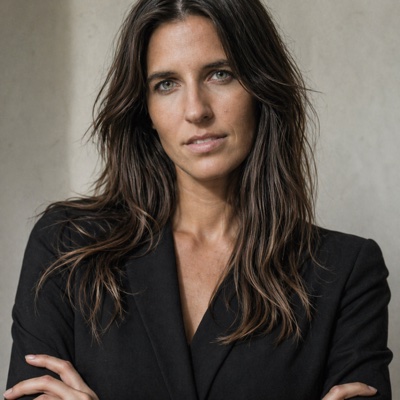
Madalena Rugeroni built Mazo. She's an ex-Googler, a startup advisor and investor, and runs a portfolio of internet companies. Before that, as Head of Growth at Amplemarket, she scaled a B2B SaaS to $10M ARR. LinkedIn
Get your 90-day go-to-market plan
Mazo builds your go-to-market plan from where you are today, then runs it with you every week. €99 a month, 14 days free, no card.
Start 14-day free trial Browse the full go-to-market glossary →Sources.
- Freemium and free-trial good/great conversion ranges: Kyle Poyar and Lenny Rachitsky, "What is good free-to-paid conversion", Lenny's Newsletter (2023)
- Card-required trials convert at 30%, more than 5x trials without a card: Kyle Poyar, "The 2026 free-to-paid conversion report", Growth Unhinged
Operators and books referenced: Ramli John (Product-Led Onboarding). These are published methodologies credited to their authors; Mazo is not affiliated with or endorsed by them.